February 15, 2026
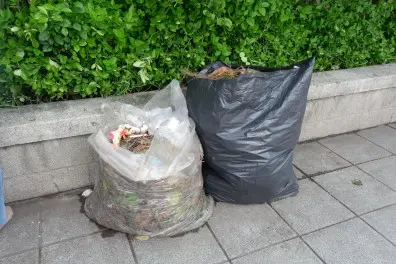
Garden waste builds up quicker than we often expect, especially during the warmer months in Auckland. Between regular lawn mowing, small pruning jobs, and a backyard full of fast-growing greenery, it doesn’t take long before the garden bag is nearly full again. Lawn clippings, hedge trimmings, weeds, and small branches all start to pile up, particularly across summer and early autumn.
That’s where a well-timed garden waste bag collection can make a big difference. Staying on top of it keeps things tidy, stops pests from settling in, and helps avoid overflow that can be a hassle to deal with later. Whether your garden is large or compact, what matters most is finding the right schedule that matches your yard’s pace.
There’s no one-size-fits-all timing. The right moment to plan a pickup often depends on how much garden waste you’ve gathered that week or month. If you’ve just done a heavy clean-up of overgrown garden beds, you might fill the bag sooner than usual.
Some clear signs that it’s time to schedule your collection include:
• The garden bag is full or close to it
• The waste reaches above the metal frame or stops the bag from closing
• You’ve noticed a smell starting to build up from old clippings
• You can see wasps, flies, or other pests hanging around the bag
• Wet grass or leaves are starting to pack tightly at the bottom
Seasonal changes also play a part. During summer in Auckland, grass grows fast and pruning tends to pick up, especially around the holidays when more time is spent outside. In early autumn, falling leaves add another layer, sometimes literally. All this adds bulk to the bag quicker. Checking how full your bag is and how difficult it’s getting to close it are both good clues that now’s the time to book a collection.
The size of your outdoor space has a lot to do with how often your bag fills up. Larger gardens or properties with dense hedges, tall grasses, or deep garden beds can collect a lot more waste in a shorter time. Even smaller gardens might need more frequent pickups if you’re keeping them trim and tidy year-round.
Across the year in Auckland, the needs shift depending on the season:
• Summer: Weekly pickups suit gardens that are actively maintained or growing fast
• Early to mid-autumn: A fortnightly schedule often works well as lawns and trees are still active
• Winter: With slower growth, monthly pickups are usually enough for most households
• Spring: Things start to pick up again, so it’s worth checking if more regular service is needed
The trick is to adjust your plan as the garden changes. If your lawn is thick and growing fast, or you’re tackling more pruning or weeding than usual, it makes sense to shorten the gap between pickups. During slower months, you might get away with every three to four weeks instead. Whatever the timing, it’s best to stay flexible and let your garden guide the schedule.
Even with a good plan, a few small mistakes can get in the way of a smooth pickup. Some are easy to miss, especially if you’re new to using a garden waste bag.
Here are some common things to watch out for:
• Overfilling the bag so the waste piles past the top frame
• Tossing in materials that aren’t allowed like mud, flax, or household waste
• Letting the bag sit too long between pickups, which can lead to soggy contents or bugs
• Placing the bag behind locked gates or on steep driveways, which makes it hard to collect
• Not checking the bag’s condition or forgetting to have it ready by early morning
It helps to pick a bag location that’s flat, easy to access, and stable. Once placed, try not to shift it around too much. If you notice the bag leaning or sinking into the ground, it might slow down collection. Keeping it upright and in a clear spot is one of the simplest fixes, yet often the most overlooked.
Clean-ups don’t always have to be big jobs. Setting a small routine makes things easier and spreads the work out. A few minutes spent trimming or mowing each week can go a long way toward keeping your garden tidy and waste under control.
Here are some ideas that help:
• Set a weekly garden check-in, Sunday afternoons often work well
• Do a quick walk-around and spot any build-up of clippings or fallen leaves
• Take note if your bag is starting to lean, show wear, or slide out of the frame
• Make sure the bag is ready by 7am on collection day; waste should sit level with the top frame
• Don’t tie the plastic string, just use the plastic lock your bag came with
By staying aware of how quickly your bag fills and how you’re using it, you’ll avoid common problems like overflow or pests. It’s about building small habits that save time in the long run. Being a little proactive helps avoid morning scrambles or last-minute cleanups before collection.
When garden waste pickups match your garden’s pace, everything becomes simpler. No more last-minute clean-ups or waste piled higher than the bag allows. You won’t miss out on pickup days, and you can spend less time worrying about clippings getting out of control.
In Auckland, staying ahead of seasonal growth means fewer headaches when the plants take off in summer or when leaves fall fast in autumn. Timing your collections well keeps your garden clear and makes ongoing maintenance feel less like a chore. Keeping a close eye on the bag, the time of year, and your own gardening habits is often the best way to know when it’s time to book the next one.
When your garden bag starts filling faster or pickups seem out of sync, adjusting your service can make all the difference. A well-timed garden waste bag collection helps prevent overflow, keeps your Auckland space tidy, and suits the rhythm of the changing seasons. Whether your backyard is spacious or on the smaller side, staying ahead of garden waste makes ongoing care easier. At Green Collect, we’re ready to help you find a long-term solution. Contact us today to create a plan tailored to your needs.